Showing posts with label Nutrition. Show all posts

6 Amazing Home Remedies For Anaemia

 6 Amazing Home Remedies For Anaemia
National Nutrition Week: 6 Amazing Home Remedies For Anaemia

National Nutrition Week is observed from 1st to 7th September every year to make people focus on the nutrition for their better health. It is important to ensure a healthy body, and in order to achieve a healthy body, it is imperative to consume the right nutrition. Nutrition is the science or practice of consuming and utilising foods. The right food provides our body with energy, protein, essential fats, vitamins and minerals to live, grow and function properly. Therefore, a balanced diet is important for good health and wellbeing. We tell you why the right nutrition is important.
  • Provides energy
  • Delays the effect of ageing
  • It may increase life span
  • Maintains immune system
  • Helps to manage healthy weight
  • Reduces the risk of chronic diseases
  • Helps cheer you up
  • It may also help increase focus
If you aren't consuming healthy foods, there are chances you may suffer from various health conditions; one of the most common conditions is anaemia. Anaemia is a condition where your body is low on red blood cells. Healthy red blood cells are the main part of haemoglobin in your blood that binds the oxygen. This means that if you have a low red blood cell count then the cells in your body may not be getting enough oxygen to function properly, thereby making you feel tired and fatigued. One of the main reasons of anaemic conditions is deficiency of iron in the body. The bone marrow needs sufficient iron to produce haemoglobin.

Symptoms of anaemia

  • Constant fatigue
  • Low in energy
  • Shortness of breath
  • Regular palpitations
  • Excess hair fall
  • Pale skin

On National Nutrition Week, we suggest some important home remedies for anaemia.

1. Eat more green vegetables
The high amounts of chlorophyll present in green vegetables like spinach, celery, mustard greens and broccoli makes them a good source of iron. Always ensure having cooked greens as the raw leaves contain oxalic acid that may prevent absorption of iron in the body.
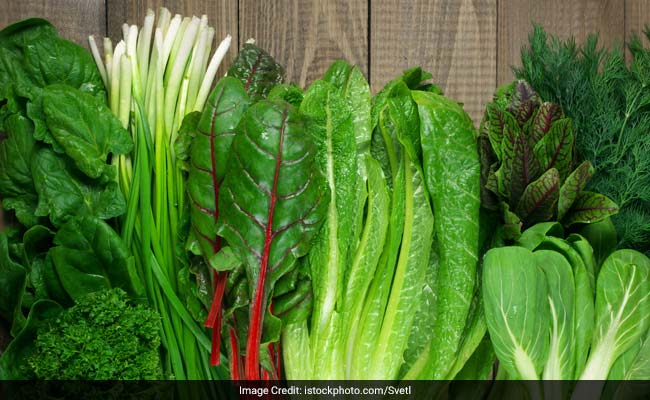
green vegetables
Always ensure having cooked greens as the raw leaves contain oxalic acid
2. Copper water
Copper water is known to be very healthy for managing conditions like anaemia. A glassful of copper water helps in replenishing your body with natural minerals and is also known to be very good for treating hair loss.
3. Sesame seeds
Eating sesame seeds is one of the best ways to up your iron intake. All you need to do is to soak sesame seeds in some water for two to three hours and then grind them into a paste. Have this with a teaspoon of honey daily.
4. Vitamin C rich foods
Anaemia tends to weaken your immune system, making you prone to infections and inflammatory diseases. Moreover, vitamin C can help absorb iron better. Eat oranges and have a glass of lemon water every day.
apple fruits oranges
Apples, grapefruit and oranges are great to lose weight
 
5. Folic acid
Folic acid is a B vitamin, which is required to make red blood cells in the body. A folic acid deficiency may lead to a low haemoglobin level. Consume more green leafy vegetables, dried beans, peanuts, bananas, et al.
6. Pomegranate
Pomegranate is a rich source of both calcium and iron along with protein, carbohydrates and fibre. It is one of the best foods to increase haemoglobin. Drink pomegranate juice daily.

6 Health Benefits of Pumpkin Seeds

6 Health Benefits of Pumpkin Seeds
blob:https://www.health.com/f9aa5e11-54ea-47c8-93cf-5f06c35454b7

I love everything about pumpkins, including their seeds. As a kid I loved tearing them out of our carved pumpkins at Halloween, and cleaning them to roast in the oven. But these days it’s easy to find raw, sprouted, and roasted pumpkin seeds year-round.
A one-ounce portion (roughly a quarter cup) provides about 150 calories, 15 grams of healthful fat, just a few grams of carbs, and an impressive 8 to 10 grams of plant protein. They’re also nutrient-packed, and health protective. Here are six key pumpkin seed perks, and some simple ways to incorporate them into your meals and snacks.

High in magnesium and other minerals

Pumpkin seeds, also known as pepitas, are a good source of magnesium, manganese, iron, zinc, and copper. Magnesium helps improve mood and sleep, while manganese plays a role in collagen production and promotes skin and bone health. Iron and copper are involved with energy production, and iron also helps transport oxygen to our cells. Zinc supports immunity, skin health, and vision. Just one serving of pumpkin seeds can supply 14 to 42% of the daily target for these essential nutrients.

High in antioxidants

In addition to minerals, these mighty seeds are also packed with cell protective antioxidants, including carotenoids and vitamin E. In addition to reducing inflammation, antioxidants help fend off premature aging and chronic diseases.

Full of beneficial fats

Pumpkin seeds are one of the best sources of plant-based omega-3 fatty acids, called alpha-linolenic acid or ALA. Only a small fraction of ALA gets converted into the important DHA and EPA omega-3s, which are found in fatty fish like salmon. However, the benefits of ALA include heart disease protection, reduced risk of artery hardening, and anti-inflammation.
Control blood sugar
On top of being low in carbs and a good source of plant protein, research suggests that pumpkin seeds help protect against type 2 diabetes or reduce its complications in other ways, such as improving insulin regulation, and protecting organs against the consequences of diabetes.

Improve the immune system

In addition to the zinc and iron in pumpkin seeds, which are both vital for immune function, pumpkin seeds possess anti-fungal and anti-viral properties. Pumpkin seeds are also not a common trigger of allergies and intolerances.

May improve sperm quality

Research shows that both pumpkin seeds and pumpkin seed oil help to protect prostate health. The seeds’ zinc content may also support male fertility, as low zinc levels have been tied to reduced sperm quality.
How to eat more pumpkin seeds
You can sprinkle pumpkin seeds on just about anything, from oatmeal or overnight oats to garden salads, cooked veggies, stir-frys, soups, whole grain dishes, tacos, and of course, desserts. Pumpkin seed butter can also be whipped into smoothies, swirled into yogurt, drizzled over fruit, or used as the base for energy bars or balls.
A few of my favorite brands of ready-to-eat pumpkin seeds include Superseedz, which come in a variety of flavors, like maple sugar and sea salt and coco joe, and Go Raw Sprouted Pumpkin Seeds.

Vitamin D Deficiency

Vitamin D Deficiency
Natural Remedies for Vitamin D Deficiency


Soaking Up the Sunlight

Vitamin D exists in two forms: ergocalciferol, or D-2, and cholecalciferol, or D-3. Your skin produces vitamin D-3 when exposed to ultraviolet B radiation from the sun. Exposure of your arms, legs or back for five to 30 minutes between 10 a.m. and 3 p.m. twice a week is recommended to achieve adequate levels. Darker skin, advanced age and sunscreen use reduce your skin’s ability to synthesize vitamin D. Additionally, latitude, season and time of day greatly affect the amount of vitamin D your skin can produce from exposure to the sun. In most of the United States, very little vitamin D is synthesized in the skin during the winter months.

    Foods Naturally High in Vitamin D

    Vitamin D, in the form of both D-2 and D-3, is found naturally in some foods. The best natural food sources of vitamin D are oily fish, including mackerel, halibut, salmon, tuna and rainbow trout. Cod liver oil is an excellent source, providing 1,360 international units of vitamin D in 1 tablespoon. Mushrooms, including maitake and portobella, are a good sources of vitamin D, especially when they have been exposed to ultraviolet light. Egg yolks and cheese also provide small amounts of the vitamin.

    Foods Fortified with Vitamin D

    When a food is fortified, vitamins or minerals that weren’t originally in the food are added to it to make it more nutritious. Because so few foods naturally contain vitamin D, many are fortified to help consumers get more of this essential vitamin. Foods often fortified with vitamin D include milk, yogurt, orange juice, cereals, bread and soy products, including tofu and soy milk. Check nutrition labels to determine whether the foods you eat are fortified and how much vitamin D they provide.

    Dietary Supplements

    Vitamin D is available as a dietary supplement in the form of vitamins D-2 and D-3. While these two forms are generally regarded as equivalent, evidence suggests that at high doses vitamin D-2 may be less potent than D-3. If you are vitamin D-deficient, your health care provider may recommend exceeding the recommended dietary allowance until your blood levels return to normal. Do not exceed the upper level intake of 4,000 international units per day for individuals over 9 years of age unless directed to do so by your doctor.